
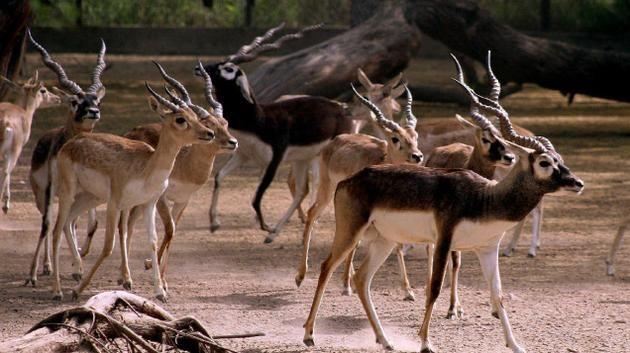
BLOGS Stay Near Vallanadu Wildlife Sanctuary — Blackbuck, Birds & Nature Getaway | Ananta Vihara, Thirukolur Nearby Attractions, Temples May 21, 2026 Vallanadu Wildlife Sanctuary Vallanadu Wildlife Sanctuary is a protected area in the Thoothukudi district of Tamil Nadu, established in 1987 to conserve the endangered blackbuck antelope (Antilope cervicapra) and its scrub forest habitat. Spanning 1,641 hectares on an isolated hillock surrounded by thorn scrub vegetation, it serves as one of the few remaining natural refuges for blackbucks in southern India. Vallanadu is the southernmost place in India where a natural population of Blackbuck exists making this sanctuary a truly unique and extraordinary wildlife destination found nowhere else in South India. Vallanadu Wildlife Sanctuary is located in Vallanadu Village of Srivaikundam Taluk, in the Thoothukudi district of Tamil Nadu situated on an isolated hillock, approximately 16 kilometres from Tirunelveli town. For wildlife lovers and nature enthusiasts visiting this sanctuary, Ananta Vihara in Thirukolur just 20 km away is the most peaceful and perfectly located homestay base in the entire region. History & Establishment Vallanadu Wildlife Sanctuary was officially notified as a protected area on 28th September 1987. One of the key motivations behind its creation was the conservation of the blackbuck antelope an endangered species whose population had drastically declined due to poaching, habitat loss, and rapid agricultural development across Tamil Nadu. The whole plain area of Tamil Nadu used to have large numbers of Blackbucks in the 19th century. Developmental pressures, poaching, and agriculture cornered them to just four places Guindy National Park in Chennai, Mudumalai sanctuary near Masinagudi, Point Calimere sanctuary in Nagapattinam, and Vallanadu in Thoothukudi The Star The Blackbuck (Indian Antelope) Blackbuck (Antelope cervicapra) is the only representative of the antelope family in India. Due to extensive poaching and habitat loss, blackbuck populations have been reduced drastically. At the beginning of the twentieth century, thousands of blackbuck could be seen in several parts of India. As of the 2023–2024 census, the sanctuary supports a thriving blackbuck population of approximately 300 individuals up from 260 the previous year showing encouraging signs of successful conservation. Blackbucks have a regular habit of coming out of the scrubs and grazing in wastelands on the eastern side of the sanctuary. They can be seen best only during early morning and late evening hours at specified vantage points making timing your visit essential for the best wildlife experience Wildlife What You Can Spot Diverse and colourful wildlife exists in the natural surroundings of this sanctuary including Blackbuck, Spotted Deer, Macaques, Jungle Cat, Mongoose, and Wild Hares. Key wildlife includes a thriving blackbuck population alongside around 300 spotted deer, 150 sambar deer, mongooses, black-naped hares, and various reptiles including vipers and rat snakes. Birds A Hidden Birdwatcher’s Paradise Jungle Crow, Crested Hawk Eagle, Sparrows, Stork, Heron, Peafowl, and Horned Owl are some featured creatures one can spot here. In the winter months, birds from northern countries can also be spotted making a visit to this enthralling place even more rewarding The Famous Peacock Farm The place also has various farms amongst which the peacock farm is the most famous amongst tourists. Here one can relish the surreal sight of peacock dancing a truly unforgettable natural spectacle! How to Reach From Distance Mode Tirunelveli ~16 km Bus / Taxi Thoothukudi ~35–40 km Bus / Taxi Srivaikuntam ~8 km Auto / Taxi Ananta Vihara, Thirukolur ~20 km Taxi / Own vehicle Nearest Railway Station: Tirunelveli Junction (~16 km) Nearest Airport: Thoothukudi Airport (~40 km) Bus Route: Buses from Tirunelveli on the Tirunelveli–Thoothukudi highway — alight at Vallanadu stop Route: Tirunelveli → Thoothukudi NH → Vallanadu turnoff (on east side of highway) Best Access: Hire a taxi from Tirunelveli or Srivaikuntam for comfortable flexible access Most Recent Posts All Posts Nava Kailasam Temples Nava Tirupathi Temples Nearby Attractions Temples Stay Near Vallanadu Wildlife Sanctuary | Blackbuck, Birds & Nature Getaway | Ananta Vihara, Thirukolur Stay Near Kazhugumalai | Rock Cut Temples, Jain Heritage & Ancient Wonders | Ananta Vihara, Thirukolur Stay Near Sri Krishnapuram Venkatachalapathy Perumal Temple | Tirunelveli’s Hidden Gem A South Tirupati Explore More Category Nava Kailasam Temples (9) Nava Tirupathi Temples (9) Nearby Attractions (10) Temples (8) Tags Adhinatha Perumal Temple Agasthiyar Falls Agasthiyar Falls Papanasam Agasthyamalai Biosphere Reserve Alwarthirunagari Ananta Vihara Thirukolur Aravindalochanar Temple Arulmigu Subramaniya Swamy Temple Arupadai Veedu 2nd Temple Banatheertham Falls Bhoomipalagar Perumal Budha Sthalam Tirunelveli Budhan Sthalam Chandran Sthalam Chevvai Dosha Parihara Coastal Village Tamil Nadu Dakshina Gangai Devapiran Temple Divya Desam Gothaparameshwarar Temple Guru Sthalam Guru Sthalam Tirunelveli Holy Cross Church Manapad Homestay in Tirunelveli Homestay Near KMTR Homestay Near Krishnapuram Temple Homestay Near Kutralam Homestay Near Manapad Homestay Near Nava Kailayam Homestay Near Nava Tirupati Homestay Near Papanasam Homestay Near Tiruchendur Homestay Near Vaithamanidhi Perumal Temple Irattai Tirupathi Jupiter Temple Tamil Nadu Kaarkodaga Kshetram Kailasanathar Temple Kodaganallur Kailasanathar Temple Murappanadu Kailasanathar Temple Rajapathy Kailasanathar Temple Sernthapoomangalam Kailasanathar Temple Srivaikuntam Kailasanathar Temple Thenthiruperai Kalahasti Equivalent Tamil Nadu Kalakkad Mundanthurai Tiger Reserve Kasinivendan Perumal Keezh Kailayam Final Temple Keezh Kailayam First Temple Ketu Dosha Parihara Ketu Sthalam Ketu Sthalam Tirunelveli KMTR Kotha Parameswarar Temple Kunnathur Krishnapuram Temple Tirunelveli Krishnapuram Venkatachalapathy Temple Kuberasthalam Lord Vishnu Temple Tirunelveli Madhurakavi Alwar Birthplace Makara Nedunkuzhaikathar Temple Manapad Beach Manapad Thoothukudi Manimuthar Dam Manjolai Hills Mars Temple Tamil Nadu Mars Temple Tirunelveli Mayakoothar Perumal Temple Mercury Temple Tamil Nadu Mundanthurai Wildlife Safari Nadu Kailasam Naga Dosha Parihara Nammalvar Birthplace Natham Temple Nature Trek Tamil Nadu Nava Kailayam 3rd Temple Nava Kailayam 4th Temple Nava Kailayam 5th Temple Nava Kailayam 6th Temple Nava Kailayam 7th Temple Nava Kailayam 8th Temple Nava Kailayam 9th Temple Nava Kailayam First Temple Nava Kailayam Stay Nava Kailayam Tirunelveli Nava Tirupati 2nd Temple Nava Tirupati 4th Temple Nava Tirupati 7th Temple Nava Tirupati 8th Temple Nava Tirupati Divya Desam Nava Tirupati First Temple Nava Tirupati Homestay Nava Tirupati Nava Kailayam Srivaikuntam Nava Tirupati Nava Kailayam Thenthiruperai Nava Tirupati Yatra Nayak Architecture Temple Nigaril Mugil Vannan Papanasa Nathar Temple Papanasam Dam Papanasam Temple Papanasam Tirunelveli Papanasanathar Temple Pilgrim Homestay TN Ponnammai Sametha
Stay Near Kazhugumalai | Rock Cut Temples, Jain Heritage & Ancient Wonders | Ananta Vihara, Thirukolur
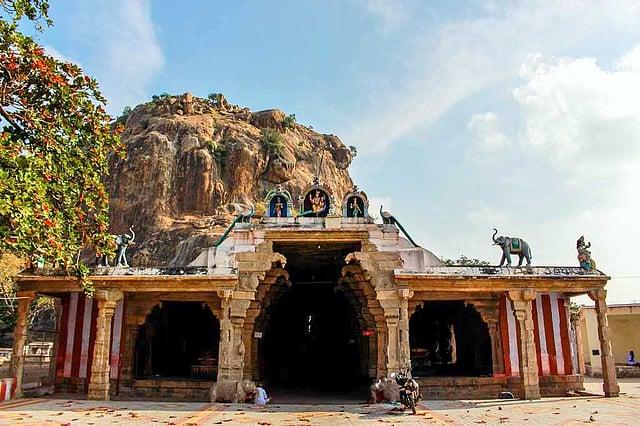
BLOGS Stay Near Kazhugumalai Rock Cut Temples, Jain Heritage & Ancient Wonders | Ananta Vihara, Thirukolur Nearby Attractions, Temples May 20, 2026 Kazhugumalai A tiny tranquil town in the district of Thoothukudi in Tamil Nadu, Kalugumalai also known as Kazhugumalai is famous for its ancient rock-cut temples and monolithic Jain beds. The city got its name from the hills surrounding it, which translates to “Hill of Vultures.” The town is divided into two parts Kazhugumalai and South Kazhugumalai and also served as a trade route during ancient times. Kalugumalai is famous for the rock-cut Kalugasalamoorthy Temple, the monolithic Vettuvan Koil, and the Kalugumalai Jain Beds three extraordinary ancient monuments representing three distinct religious traditions Shaivism, Vaishnavism, and Jainism all coexisting on a single sacred hill. This is one of the most extraordinary heritage destinations in all of South India where 1,200-year-old rock-cut monuments stand as breathtaking testimony to the artistic genius and spiritual depth of the ancient Pandya civilization. For travellers and pilgrims visiting Kazhugumalai, Ananta Vihara in Thirukolur approximately 55 km away is the most comfortable and conveniently located homestay base The Three Wonders of Kazhugumalai The site’s defining features include the unfinished monolithic Vettuvan Koil a cave temple dedicated to Shiva carved from a single granite outcrop the adjacent Jain Abode with bas-relief sculptures of Tirthankaras, and the rock-cut Kalugasalamoorthy Murugan Temple at the foothills. These structures, dating primarily to the 8th and 9th centuries CE during the reign of Pandya rulers like Parantaka Nedunjadaiya, highlight the area’s role as a religious and trade hub along ancient routes near Madurai. 1. Arulmigu Kalugasalamoorthy Murugan Temple Kalugasalamoorthy Temple or Kalugumalai Murugan Temple in Kalugumalai is dedicated to the Hindu god Murugan. Constructed in the Dravidian style of architecture, the core temple has rock-cut architecture exemplary of early Pandyan Art. The main deity hall and entrance hall are excavated inside the foothills of Kalugumalai in the south-western corner of the hill with external structural additions. The Deity Three Rare Distinctions! The sanctum faces West and the image of the presiding deity is 4 ft tall. The image is sported with six hands with one of them holding Vel the divine spear his left leg over the shoulder of the peacock and right is left hanging. There are separate shrines of his consorts Valli facing South and Deivanai facing North. Kachiappar mentions that there are only three sacred temples of Murugan where he faces the South and this is the only temple where he faces south AND is also in a seated posture. Usually in Murugan temples, his vehicle peacock heads towards the right but it is sported to the left of Murugan here. It is believed that Indra, the king of celestial deities, appeared as a peacock to worship Murugan and hence the image of the peacock is covered during festivals. The Legend of Jatayu & Sampati Jatayu’s brother Sampati also called Kalugumahamunivar in local tradition was worried about not having performed the final rites for his brother. Rama advised him to perform penance at Gajamukaparvatham and take a holy dip in the tank. Later, when Murugan was pursuing Surapadman, Tarukasuran the brother of Surapadman was troubling the sages in the region. Murugan slew Tarukasuran and was resting at Kalugumalai. Sampati assisted Murugan and indicated the hideout of Surapadman, whom Murugan slew subsequently. Pleased with his devotion, Murugan offered him salvation. The place came to be known as Kalugumalai since the sage Kalugumahamunivar resided here. 2. Vettuvan Koil “A Sculptor’s Paradise” Situated near the Jain Beds, Vettuvan Koil is a Hindu temple built between the 8th and 9th centuries by Pandyan Maran Chadaiyan Varaguna I. About 7.5 metres of the mountain is excavated in a rectangular fashion, and in the middle, the temple is sculpted from a single piece of rock. The carvings reflect the southern temple style of the Pandiya era. Only the top portion of the temple is completed. At the top, beautiful sculptures of Uma Maheswarar, Dakshinamurthy, Vishnu, and Brahma can be found. This temple looks like the Kailasanatha Temple at Ellora. Kalugumalai is a priceless unfinished Pandyan monolith cave temple part of the iconographic richness that helped chronicle the burgeoning richness of Tamil culture, traditions, and sacred centres containing religious art. The Vettuvan Koil’s design incorporates Dravidian elements such as pillared halls and narrative friezes, showcasing advanced stone-working skills that rival contemporary Pallava influences but adapted to Pandyan aesthetics. Construction ceased prematurely possibly due to historical conflicts or royal shifts toward Shaivism. Fun Fact: Vettuvan Koil means “Temple of the Sculptor” a tribute to the extraordinary craftsmen who carved this entire temple out of a single living rock! 3. Kalugumalai Jain Beds — 150 Sacred Sculptures The Kalugumalai Jain Beds are constructed in rock-cut architecture and are believed to have been built during the reign of Pandyan king Parantaka Nedunjadaiya (768–800 CE). The rock-cut architecture at Kalugumalai is an exemplary specimen of Pandyan art. There are approximately 150 niches in the bed that include images of Gomateshwara, Parshvanatha, and other Tirthankaras of Jainism. There are 98 inscriptions related to Jainism at the Kalugumalai Jain Beds site the largest known concentration of Jain inscriptions in far South India at a single site. These are found below the reliefs of Tirthankaras and yakshis, as well as near the hollowed-out beds. Most are records of donors and gifts. Kalugumalai is an important Jain site because it stands out as an exception where Digambara tradition women rose to prominence over its early history. Historic evidence of major groups of Digambara Jain women mendicants is rare except in Kalugumalai, where the local culture accepted and supported female monastic traditions for a few centuries after around the 9th century. Protected Monument: The Jain Beds are maintained and administered by the Department of Archaeology of the Government of Tamil Nadu as a protected monument. Why Kazhugumalai Is Extraordinary The word Kalugumalai means “Vulture Peak” reminiscent of the legendary site in North India attributed to the Buddha for his sermons. Local traditions connect the

Stay Near Sri Krishnapuram Venkatachalapathy Perumal Temple | Tirunelveli’s Hidden Gem A South Tirupati
BLOGS Sri Krishnapuram Venkatachalapathy Perumal Temple Nearby Attractions, Temples May 19, 2026 Sri Krishnapuram Venkatachalapathy Perumal Temple Krishnapuram Venkatachalapathy Temple is one of the best examples of Nayak architecture in Tamil Nadu, built over an area of 1.8 acres and revered for its 17th and 18th century carvings. Prayers offered here are considered equal to prayers offered in Tirupati. Located 13 km east of Tirunelveli on the Tiruchendur highway, the Krishnapuram Venkatachalapathy Temple is one that has not caught much of devotees’ attention despite boasting one of the best art and sculpture collections that can be seen in any temple in Tamil Nadu. Often called the South Tirupati of the region, this magnificent temple is an under-celebrated treasure of Tirunelveli district where the blessings of Lord Venkatachalapathy (Lord Vishnu) are believed to be as powerful as those at the famous Tirupati Devasthanam in Andhra Pradesh. For pilgrims and travellers visiting this sacred shrine, Ananta Vihara in Thirukolur just ~20 km away is the most comfortable and conveniently located homestay base. The sanctum houses the vigraham of Lord Venkatachalapathy in a standing posture. The four-feet-tall vigraham is made of granite and has four arms the Lord holds a Conch and Chakra in two hands, while the other two have Abayamudra and Kadahasta. The vigrahams of Goddess Sridevi and Goddess Bhudevi are located on either side. There is a separate shrine for Goddess Alarmael Mangai. The temple occupies an area of 1.8 acres and is surrounded by granite walls. The temple originally had three precincts but at present has two. The five-tiered Rajagopuram is 110 ft. tall a magnificent landmark visible from the Tiruchendur highway. The rituals followed here include soothing Vedic chants by the saints four times a day, following the Thenkalai tradition of worship along with other Vaishnavite festivals. There are 42 sculptures in the temple, each just as stunning as the others making it one of the finest sculptural galleries in any Tamil Nadu temple. The Meaning Why “Krishnapuram”? The temple dates back to the 9th Century AD and is said to have been built by Sadasiva Nayakar. Krishna Nayakar is said to have renovated the temple in the 16th century and hence the name “Krishna” puram. The village was originally named Thiruvenkatapuram and got changed to Krishnapuram during the rule of Krishnappa Nayak History Built by the Madurai Nayak Dynasty It is understood from the inscriptions that the temple was built by Krishnappa Nayak (1563–72), the son of Viswanatha Nayak the founder of the Madurai Nayak dynasty. Krishnappa is attributed to the construction of the precincts around the temple and the soaring temple tower. The copper plates from Sadasiva Raya of the Vijayanagara Empire indicate grants to light lamps perpetually and lay gardens. There were six villages dedicated to allow the continuous functioning of the temple. Krishnappa Nayak also laid four streets around the temple for the smooth passing of the temple car. The villages Ariyakulam, Kodikulam, Kuthukaval, Puthaneri, Pottukalam, Sriramakulam, and Alikudi were donated to the temple for the performance of daily poojas. An Agraharam with housing for 108 Brahmin families well-versed in Vedas and agamas was established. Deivachillayar Mayilerum Perumal the son-in-law of the minister of Viswanatha, played a key role in the construction of the temple. The village was originally administered as a sub-temple of Ramaswamy Temple of Tirunelveli, came under the administration of Nellaippar Temple from 1973, and under the dominion of Tiruchendur Devastanam from 1986. The Legend — Lord Srinivasa Chose to Stay Here Lord Srinivasa appeared and agreed to stay here with Sridevi and Bhoodevi forever. Twelve Rishis and poets known as Azhwars wanted to be here always at the feet of the Lord the twelve steps leading to the Sanctum of the Lord are represented by them. Prayers offered here are considered equal to prayers offered at Tirupati. This profound legend makes Krishnapuram one of those rare temples where Lord Vishnu himself chose to permanently reside — making every darshan here extraordinarily powerful and meritorious! The Unique 42 Sculptures — A Gallery of Nayak Mastery Constructed in the Dravidian style of architecture, the temple is a storehouse of Nayak architecture. A granite wall surrounds the temple, enclosing all its shrines. The temple has a five-tiered Rajagopuram the temple’s gateway tower. The Vijayanagar and Nayak kings commissioned pillared halls and major shrines of the temple during the 16th century. The temple is one of the best examples of Nayak architecture and is revered for its 17th and 18th century carvings a sculptural heritage that rivals even the famous temples of Madurai and Thanjavur. Major Festivals The most important festival is the 10-day annual Vaikuntha Ekadashi celebrated in December–January. On this sacred day, the Vaikunta Dwaram the gate to the Lord’s inner sanctum is opened, and devotees believe that passing through it grants them entry into Vaikuntam Lord Vishnu’s divine abode. Other key festivals: Vaikuntha Ekadashi — December–January (10 days — most grand) Brahmotsavam — Tamil month Chittirai (April–May) Sri Rama Navami — March–April Panguni Uthiram — March–April (Thirukalyanam) Aadi Pooram — July–August Temple Car Festival — grand chariot procession through four streets How to Reach From Distance Mode Tirunelveli ~13 km Bus / Taxi Thoothukudi ~45 km Bus / Taxi Tiruchendur ~45 km Bus / Taxi Srivaikuntam ~20 km Taxi Ananta Vihara, Thirukolur ~20 km Taxi / Own vehicle Nearest Railway Station: Seydunganallur (~5 km) | Tirunelveli Junction (~13 km) Bus Route: All buses from Tirunelveli to Tiruchendur on the highway stop at Krishnapuram Best Time to Visit: November – February | Vaikuntha Ekadashi (December–January) Most Recent Posts All Posts Nava Kailasam Temples Nava Tirupathi Temples Nearby Attractions Temples Stay Near Papanasam | Nature, Temples & Peaceful Getaway | Ananta Vihara, Thirukolur Kalakkad Mundanthurai Tiger Reserve (KMTR) Complete Travel Guide | Stay Near Ananta Vihara Manapad |The Hidden Coastal Gem Near Tiruchendur | Travel Guide & Homestay Explore More Category Nava Kailasam Temples (9) Nava Tirupathi Temples (9) Nearby Attractions (7) Temples (5) Tags Adhinatha Perumal Temple Agasthiyar Falls Agasthiyar Falls Papanasam Agasthyamalai Biosphere Reserve Alwarthirunagari
Stay Near Papanasam | Nature, Temples & Peaceful Getaway | Ananta Vihara, Thirukolur
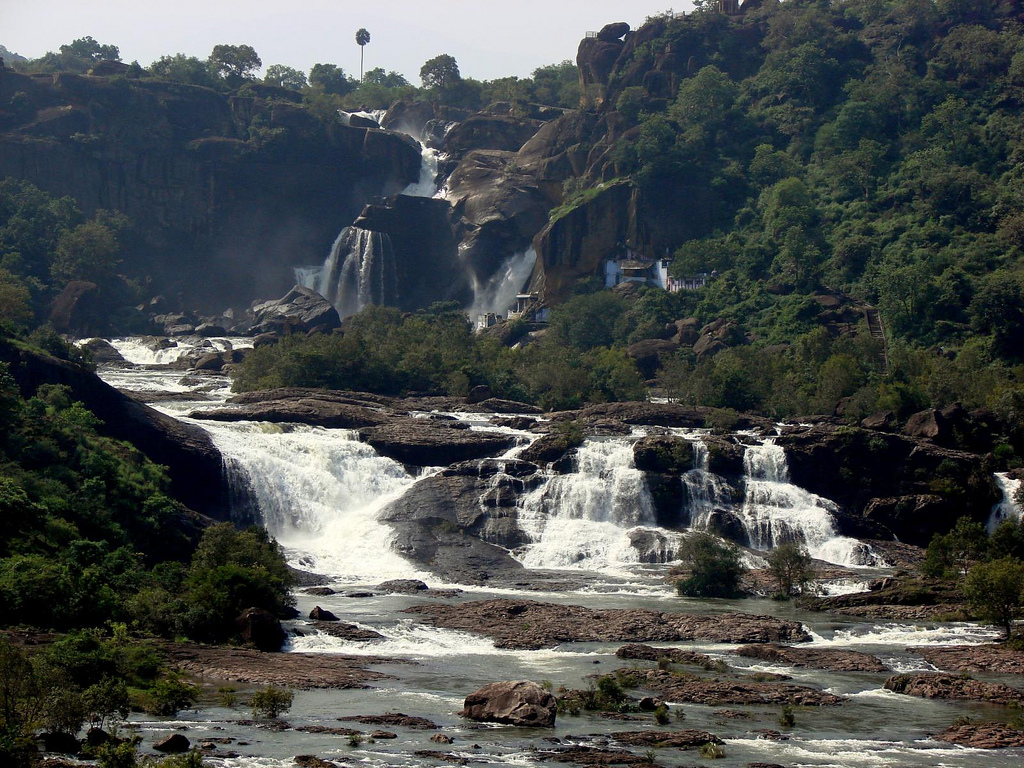
BLOGS Stay Near Papanasam | Nature, Temples & Peaceful Getaway | Ananta Vihara, Thirukolur Nearby Attractions, Temples May 18, 2026 Papanasam Known as “Uttara Kailasam,” Papanasam boasts a rich history and spiritual significance cascading waterfalls, lush greenery, and ancient temples whispering tales of bygone eras. It is a perfect getaway for nature lovers and spiritual seekers exploring South India’s hidden gems. Situated at a distance of almost 45 km from Tirunelveli, a dense forest surrounding the village makes it a perfect recreational spot for people who are looking to spend some time with their friends and family. Papanasam has bewitching attractions such as the Thamirabarani River, Agasthiyar Falls, Papanasam Dam, and the Shiva temple. There are about 108 rare herbs available in the Papanasam hill area which are not found in any other part of the world. Whether you are a devoted pilgrim seeking spiritual liberation, a nature lover drawn to misty waterfalls and green hills, or a family looking for a peaceful weekend retreat Papanasam has something extraordinary to offer everyone. Ananta Vihara in Thirukolur, approximately 70 km away, is your most comfortable and conveniently located homestay base for exploring everything Papanasam has to offer. Why Papanasam? 5 Reasons to Visit Reason Highlight 1. Sacred River Bathing Thamirabarani — mineral-rich healing waters 2. Ancient Temple Papanasanathar — Nava Kailayam 1st Temple 3. Spectacular Falls Agasthiyar Falls — 120m height, year-round flow 4. Scenic Hills Manjolai — “Poor Man’s Ooty” 5. Peaceful Nature Western Ghats, 108 rare herbs, KMTR forests The Meaning of “Papanasam” The name Papanasam comes from “Papa” meaning sin and “Nasam” meaning destruction literally “the destroyer of sins.” This is the place where Saint Agasthiyar received the Kalyana darshan of Lord Shiva and Parvati along with his wife Lopamudra. Lord Indra, the king of the celestial bodies, slew a demon Dwastha the son of Sukracharya. By killing him, Indra had committed Brahmahatya Dosha the gravest sin of killing a Brahmin. When Indra entered the borders of this sacred place, he was immediately relieved from his sin and hence the place came to be known as Papanasam. Another legend speaks of two siblings who, after separation in childhood and unknown to their prior relationship, met and married each other as adults. To absolve the sin committed, they were advised to take a dip in the holy waters until their black clothes turned white indicating absolution of sins. When they dipped in the waters of Papanasam, their clothes miraculously turned white and the place gained its name along with its deity, Papavinaseswarar: the Redeemer of Sins. Arulmigu Papanasanathar Temple Nava Kailayam 1st Temple Constructed in the Dravidian style of architecture, the holy shrine is dedicated to Lord Shiva and his consort Parvati worshipped as Papanasanathar and Ulagammai respectively. Of the nine Kailash Kshetras Nava Kailayam Papanasam is the first place and is attributed to Sun God. Hence, the place is known as Surya Kshetra and Surya Kailash. The body of Lord Papanasar is wholly and naturally made of Rudraksha also known as Rudraksha Nathar. The old name of Papanasar is Vairaja Lingam. Papanasar is known primarily for his healing powers, appearing to be the cure for any disease in the world. There are intrinsic sculptures of many Rishis, Kali, Urthuvath Andavam, Bitchadanar, Nirtha Ganapathy, Thiripura Samharam, Perumal, Ekapathamoorthy, Brahma, Subramanyar, and Devi inside the temple a rich sculptural heritage that speaks of this shrine’s great antiquity. The Thamirabarani Mahapushkaram a festival much like the Kumbh Mela is undertaken every 12 years when thousands of devotees make a holy dip into this sacred river opposite the Sivan Temple. Temple Timings: 6:00 AM – 1:00 PM & 4:00 PM – 8:30 PM Entry Fee: Free Agasthiyar Falls (Papanasam Falls)120 Metres of Pure Bliss Also known as Agasthiyar Falls, Papanasam Falls on the Thamirabarani River drops from a height of 120 metres, adjoined with the rocky walls of Podhigai Hills. The mountains around Papanasam are home to 108 herbs which are not found anywhere else in the world. These pleasant forceful waterfalls possess unique herbal and medicinal properties and the waters are so nourishing it feels like a soothing oil massage. It is located close to a dam, so the Agasthiyar Falls never goes dry and flows throughout the year. The Thamirabarani River flows 125 kilometres downstream through Tirunelveli and Thoothukudi districts and meets the Bay of Bengal at Punnaikayal. According to Hindu belief, a bath in those waters can remove all sins this peaceful environment and crystal-clear waters make it quite a memorable experience for pilgrims. Timings: 6:00 AM – 5:00 PM Access: 3 km trek from Papanasam town or hire an auto Banatheertham Falls (Roja Falls) Twin Waterfall Beauty Papanasam Falls and Banatheertham Falls are twin falls located in the enchanting rainforests of the Western Ghats. Banatheertham Falls became popular after the famous Hindi movie Roja was shot here also called Roja Falls by locals and tourists alike. Banatheertham is especially popular for its unique herbal bathing experience the waters flowing through dense medicinal herb forests carry extraordinary healing properties, making it one of the most rejuvenating natural baths in all of Tamil Nadu. Access: Accessible by boat ride across the Karaiyar Dam reservoir + 10-minute forest trek Papanasam Dam British Era Marvel The Papanasam Dam also known as the Karaiyar Dam is believed to have been built during the British era. It is surrounded by high mountains and huge trees. The dam is about 240 m high, 5.4 m wide and 265 m long and has a total catchment area of around 147 sq. km. Visit the huge Papanasam Dam and enjoy the breathtaking view of the reservoir. Enjoy boating permitted when the water level is high enough. The lush green fields of Papanasam and glimpses of the fiercely flowing Thamirabarani River paint an unforgettable picture in the visitor’s mind. Note: Swimming is strictly prohibited the reservoir is populated with crocodiles. Manimuthar Dam & Falls Biker’s Paradise Located between elevations ranging from 1,000 to 1,500
Stay Near Tiruchendur Murugan Temple | Arulmigu Subramaniya Swamy Temple | Complete Pilgrim Guide
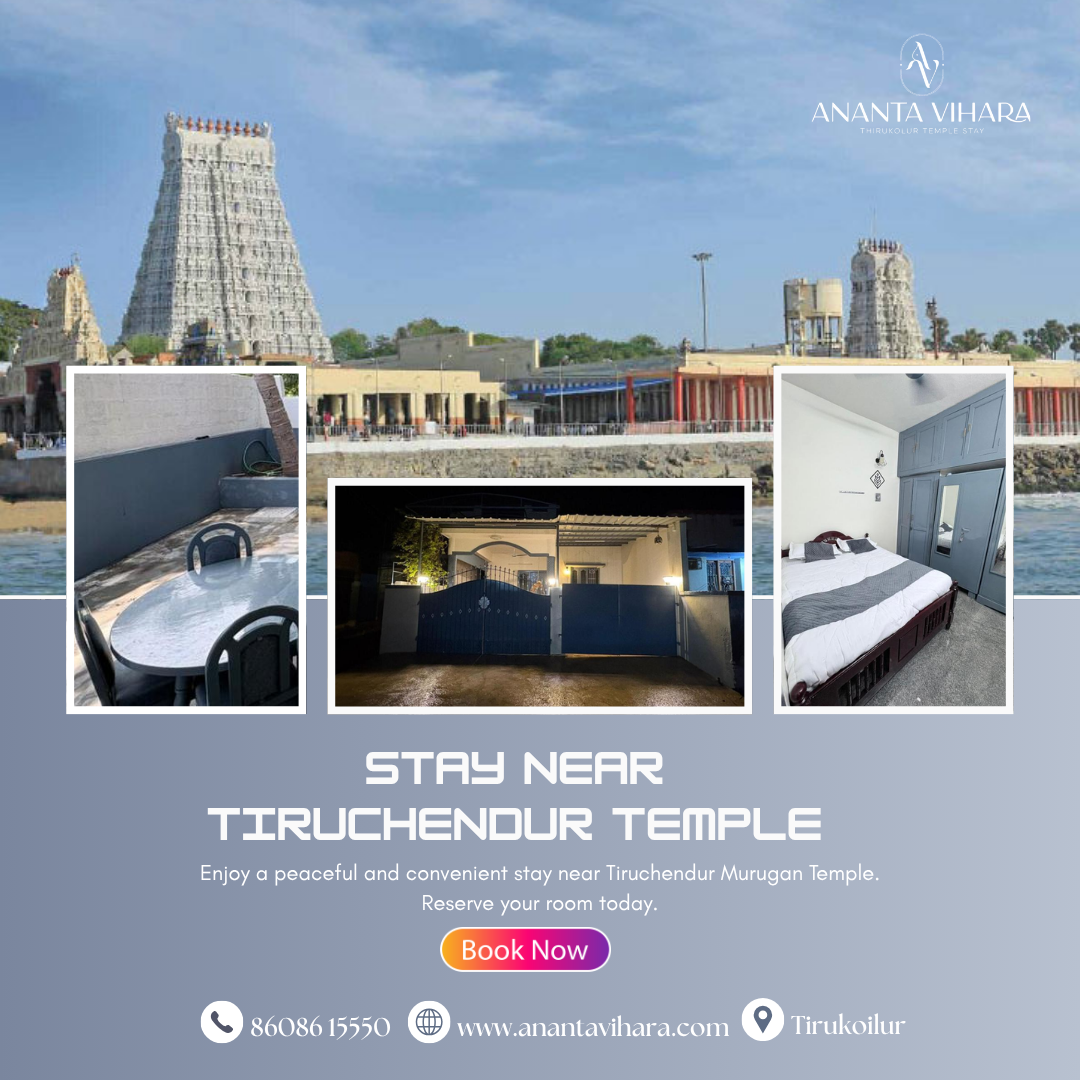
BLOGS Stay Near Tiruchendur Murugan Temple | Arulmigu Subramaniya Swamy Temple Complete Pilgrim Guide Temples May 14, 2026 Subramaniya Swamy Temple Tiruchendur Murugan Temple, officially known as Sri Subramaniya Swamy Temple, stands majestically by the shores of the Bay of Bengal in Tamil Nadu. Revered as one of the six sacred abodes Arupadai Veedu of Lord Murugan, this temple embodies profound spirituality, heroism, and devotion. Unlike most Murugan temples perched atop hills, Tiruchendur is uniquely situated on flat land by the sea making it an exceptional and unforgettable spiritual destination. Tiruchendur is the place where Lord Murugan fought and defeated the Asura Surapadman and worshipped Lord Shiva after his battle victory. It is one of the few temples in India where we can find various forms and avatars of both Lord Vishnu and Lord Shiva together. For pilgrims visiting Tiruchendur, Ananta Vihara in Thirukolur approximately 50 km away is the most peaceful and comfortable homestay, ideally located to combine your Tiruchendur visit with the entire Nava Tirupati and Nava Kailayam circuit. According to the Kanda Puranam, the asura brothers Surapadman, Simhamukhan, and Tarakasuran performed tapas to Shiva, who granted them various weapons and near-immortality. They subsequently oppressed the celestial beings including the Devas and started a reign of tyranny across the three worlds. Shiva granted Lord Murugan the celestial divine spear Vel an embodiment of the power of Shakti. As Murugan was born to save the Devas from the tyranny of the asuras, he was appointed as their commander and engaged in conflict. He killed Tarakasuran and Simhamukhan before facing off with Surapadman in the final battle at Tiruchendur. Surapadman escaped to the sea and took the form of a large mango tree that spread across the three worlds. Murugan used his Vel to split the tree in half with each half transforming into a peacock and a rooster. Murugan took the peacock as his vahana and the rooster as his pennant. This final, decisive victory of Lord Murugan over evil at Tiruchendur is what makes this seashore temple the most powerful battlefield shrine of the Arupadai Veedu circuit. About the Temple & Deity The Arulmigu Subramaniaswamy Temple is one of the six abodes Arupadaiveedu of Lord Murugan, where the Lord of Sound, Lord Senthilnathan, lives. Lord Muruga is the one who explained the meaning of the Pranava Manthiram OM to his father Lord Shiva. The idol of Lord Murugan here is depicted as Senthil Andavar a youthful and valiant warrior. The temple’s Gopuram, or tower, is an architectural marvel standing at 137 feet tall. The Rajagopuram rises 137 feet tall with 9 tiers. The sanctum sanctorum houses Lord Murugan along with Valli and Deivanai. Nazhikkinaru a freshwater spring near the seashore is considered sacred. The Shanmuga Vilasa Mandapam is a hall of artistic pillars. The Valli Cave Temple nearby is associated with Murugan’s divine marriage to Valli. Extraordinary & Unique Facts This is the only Hindu temple that has no Eastern gateway. This temple is the fourth Hindu temple in Tamil Nadu to receive ISO certification. This is the only temple in Tamil Nadu where the sanctum sanctorum is below ground level. The most extraordinary fact about the temple is that even after being located so close to the sea, the temple has never been flooded a divine miracle witnessed over thousands of years. The Tiruchendur temple has also been known by other names Tirucheer Alaivai, Senthil Jayanthi, Kanda Madana Parvatham, Veeravagu Pattinam, and Vyazha Kshethram. The name Vyazha Kshethram comes after the worship by Vyazha Bhagavan Jupiter God at this shrine. The Dutch Miracle The Stolen Idol That Returned Thiruchendur Murugan Temple is a very ancient temple. The temple endured Dutch occupancy in the 17th Century CE. The Dutch even took away the Utsava Murthy the procession deity as booty. When they encountered bad weather in the high seas, they threw the idol into the sea. The seas calmed and the idol was recovered by Vadamalaiyappa Pillai a few years later. This extraordinary miracle where Lord Murugan’s idol caused storms at sea until it was returned stands as one of the most celebrated divine interventions in all of Tamil Nadu temple history. Adi Shankaracharya’s Healing Sri Shankaracharya was once going through a phase of ill health due to evil acts of a rival. He visited Tiruchendur Murugan Temple as ordered by Lord Shiva. When he reached the Murugan temple sanctum, he saw a serpent worshipping the deity. Inspired by this devotion of the serpent, he created the Subrahmanya Bhujangam. He was also cured of his physical ailments at this sacred shrine. Architecture A Marvel on the Seashore The temple has been constructed in the Dravidian style and is spread over an area of about two acres. The nine-storey Mel Gopuram Raja Gopuram in the west rises to a height of 137 feet and was built in the 17th Century CE. The temple has three Prakarams. The main entrance faces south. Shanmukhavilas Mantap is in the entrance tower, consisting of 120 stone pillars. Temple Open Hours: 5:00 AM – 12:30 PM & 5:00 PM – 9:00 PM Major Festivals Skanda Sashti (October–November) is the most significant festival with a dramatic re-enactment of Surasamharam. Vaikasi Visakam (May–June) celebrates Lord Murugan’s birthday. Thai Poosam (January–February) sees devotees carry kavadi as a penance. Key festivals: Skanda Sashti & Soorasamharam — October–November (Most Grand — Millions attend) Vaikasi Visakam — May–June (Murugan’s Birthday) Thai Poosam — January–February (Kavadi festival) Panguni Uthiram — March–April (Sacred Thirukalyanam) Aadi Krithigai — July–August Karthigai Deepam — November–December How to Reach From Distance Route Tirunelveli ~55 km Bus / Taxi Thoothukudi ~60 km Bus / Taxi Nagercoil ~90 km Bus / Taxi Chennai ~615 km Train / Taxi Thirukolur ~50 km Taxi / Own vehicle Nearest Railway Station: Tiruchendur Railway Station (2 km from temple) Nearest Airport: Thoothukudi Airport (~65 km) | Madurai Airport (~185 km) Bus Route: Direct buses from Tirunelveli, Thoothukudi, Madurai, Chennai & Nagercoil Best Time to Visit: October – March | Skanda Sashti (Oct–Nov)
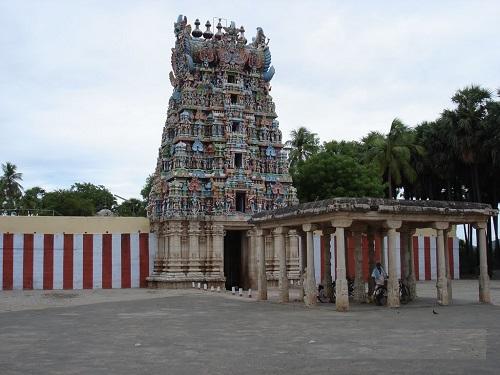
Nava Tirupati Temples
Nava Tirupati Nava Tirupati Nava Tirupati refers to a sacred group of nine temples dedicated to Lord Vishnu located along the banks of the Tamirabarani River in the Tirunelveli and Thoothukudi districts of Tamil Nadu. These temples are among the revered 108 Divya Desams, the most sacred temples of Lord Vishnu in the Sri Vaishnavite tradition. The temples are glorified in the devotional hymns of Nammalvar in the sacred Tamil text Nalayira Divya Prabandham. Each of the nine temples is associated with one of the Navagrahas (nine planetary deities), which makes the Nava Tirupati pilgrimage spiritually significant for devotees seeking divine blessings and relief from planetary influences. Pilgrims often visit all nine temples in a single spiritual journey known as the Nava Tirupati Yatra. The temples are located close to each other, making it possible for devotees to complete the pilgrimage comfortably. Thirukolur, home to the sacred Vaithamanidhi Perumal Temple, is one of the important destinations in this divine temple circuit and attracts many devotees throughout the year. Previous PostNext Post Nava Tirupathi Temples Stay Near Sri Adhinatha Perumal Temple, Alwarthirunagari | Nava Tirupati Guru (Jupiter) Sthalam & Nammalvar Birthplace BLOGS Stay Near Sri Adhinatha Perumal Temple, Alwarthirunagari | Nava Tirupati — Guru (Jupiter) Sthalam & Nammalvar Birthplace Nava Tirupathi… Read More Stay Close to Vaithamanidhi Perumal Temple, Thirukolur | Ananta Vihara | Just 2 Minutes Away! BLOGS Stay Close to Vaithamanidhi Perumal Temple, Thirukolur | Ananta Vihara — Just 2 Minutes Away! Nava Tirupathi Temples April… Read More Stay Near Sri Makara Nedunkuzhaikathar Perumal Temple, Thenthiruperai | Nava Tirupati Shukra (Venus) Sthalam BLOGS Stay Near Sri Makara Nedunkuzhaikathar Perumal Temple, Thenthiruperai | Nava Tirupati — Shukra (Venus) Sthalam Nava Tirupathi Temples April… Read More Stay Near Sri Mayakoothar Perumal Temple, Perungulam | Nava Tirupati 7th Temple Shani Sthalam BLOGS Stay Near Sri Mayakoothar Perumal Temple, Perungulam | Nava Tirupati 7th Temple — Shani Sthalam Nava Tirupathi Temples April… Read More Sri Srinivasa Perumal Temple (Rettai Tirupathi South) | Devapiran Temple, Thirutholaivillimangalam BLOGS Sri Srinivasa Perumal Temple (Rettai Tirupathi South) | Devapiran Temple, Thirutholaivillimangalam Nava Tirupathi Temples April 27, 2026 Rettai Tirupathi… Read More Stay Near Rettai Tirupathi North | Sri Aravindalochanar Temple, Thirutholaivillimangalam BLOGS Stay Near Rettai Tirupathi North | Sri Aravindalochanar Temple, Thirutholaivillimangalam Nava Tirupathi Temples April 25, 2026 Rettai Tirupathi North… Read More Thirupuliyangudi Perumal Temple BLOGS Stay Near Thirupuliyangudi Perumal Temple | Nava Tirupati 4th Temple Guide Nava Tirupathi Temples April 24, 2026 Thirupuliyangudi Perumal… Read More Vijayasana Perumal Temple | Thiruvaragunamangai BLOGS Vijayasana Perumal Temple, Thiruvaragunamangai (Natham) — 2nd Nava Tirupati Temple Nava Tirupathi Temples April 23, 2026 Vijayasana Perumal Temple… Read More Sri Srivaikuntanathan Perumal Temple | Srivaikuntam BLOGS Sri Srivaikuntanathan Perumal Temple, Srivaikuntam -First of the Nava Tirupati Temples Nava Tirupathi Temples April 23, 2026 Sri Srivaikuntanathan… Read More
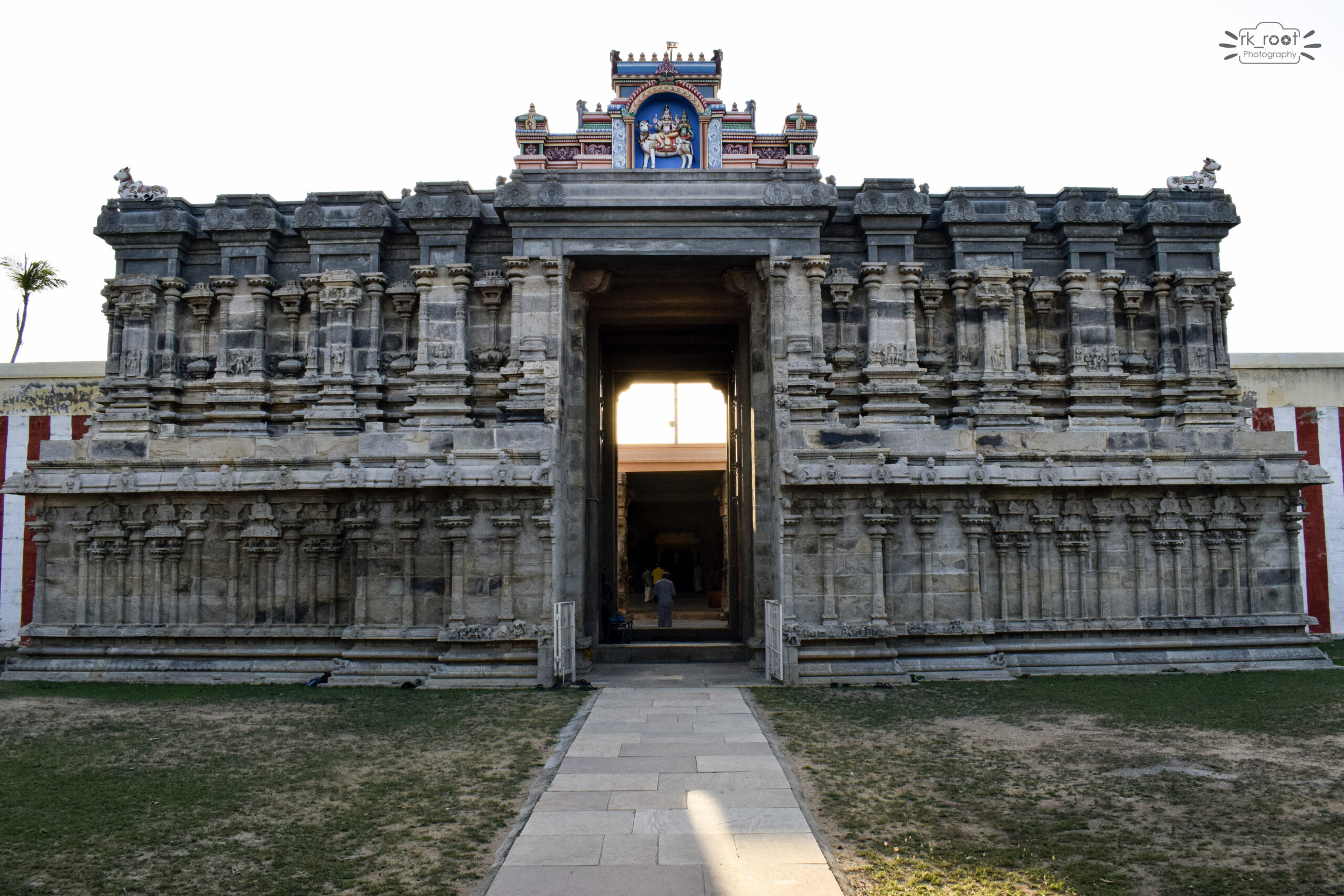
Navakailasam
Navakailasam Navakailasam Navakailasam refers to a sacred group of nine temples dedicated to Lord Shiva located along the banks of the Tamirabarani River in the Tirunelveli region of Tamil Nadu. These temples hold great spiritual significance and are closely associated with the worship of the Navagrahas (nine planetary deities). Each temple in the Navakailasam circuit represents one of the nine planets, and devotees believe that visiting all nine temples helps remove planetary doshas and brings spiritual blessings. The temples are traditionally linked to the sage Romasa Maharishi, who is believed to have established them along the river. Pilgrims often combine visits to both Navakailasam and Nava Tirupati temples during their spiritual journey in the Tirunelveli region. The temples are located relatively close to each other, allowing devotees to complete the pilgrimage while exploring the rich spiritual heritage of the area. Previous PostNext Post Nava Kailasam Temples Stay Near Arulmigu Kailasanathar Temple, Saendha Poomangalam | Nava Kailayam 9th & Final Temple | Sukran (Venus) Sthalam BLOGS Stay Near Arulmigu Kailasanathar Temple, Saendha Poomangalam | Nava Kailayam 9th & Final Temple — Sukran (Venus) Sthalam Nava… Read More Stay Near Sri Kailasanathar Temple, Rajapathy | Nava Kailayam 8th Temple | Ketu Sthalam BLOGS Stay Near Sri Kailasanathar Temple, Rajapathy | Nava Kailayam 8th Temple | Ketu Sthalam Nava Kailasam Temples May 11,… Read More Stay Near Sri Kailasanathar Temple, Thenthiruperai | Nava Kailayam 7th Temple | Budha (Mercury) Sthalam BLOGS Stay Near Sri Kailasanathar Temple, Thenthiruperai | Nava Kailayam 7th Temple — Budha (Mercury) Sthalam Nava Kailasam Temples May… Read More Stay Near Sri Kailasanathar Temple, Srivaikuntam | Nava Kailayam 6th Temple | Shani (Saturn) Sthalam BLOGS Stay Near Sri Kailasanathar Temple, Srivaikuntam | Nava Kailayam 6th Temple Shani (Saturn) Sthalam Nava Kailasam Temples May 8,… Read More Stay Near Sri Kailasanathar Temple, Murappanadu | Nava Kailayam 5th Temple | Guru (Jupiter) Sthalam BLOGS Stay Near Sri Kailasanathar Temple, Murappanadu | Nava Kailayam 5th Temple — Guru (Jupiter) Sthalam Nava Kailasam Temples May… Read More Stay Near Arulmigu Kotha Parameswarar Temple, Kunnathur | Nava Kailayam 4th Temple | Rahu Sthalam BLOGS Stay Near Sri Kailasanathar Temple, Kodaganallur | Nava Kailayam 3rd Temple — Sevvai (Mars) Sthalam Nava Kailasam Temples May… Read More Stay Near Sri Kailasanathar Temple, Kodaganallur | Nava Kailayam 3rd Temple | Sevvai (Mars) Sthalam BLOGS Stay Near Arulmigu Kotha Parameswarar Temple, Kunnathur | Nava Kailayam 4th Temple — Rahu Sthalam Nava Kailasam Temples May… Read More Stay Close to Vaithamanidhi Perumal Temple, Thirukolur | Ananta Vihara | Just 2 Minutes Away! BLOGS Stay Near Arulmigu Papanasa Nathar Temple, Papanasam | Nava Kailayam 1st Temple — Surya (Sun) Sthalam Nava Kailasam Temples… Read More Stay Near Arulmigu Papanasa Nathar Temple, Papanasam | Nava Kailayam 1st Temple — Surya (Sun) Sthalam BLOGS Stay Near Arulmigu Papanasa Nathar Temple, Papanasam | Nava Kailayam 1st Temple — Surya (Sun) Sthalam Nava Kailasam Temples… Read More
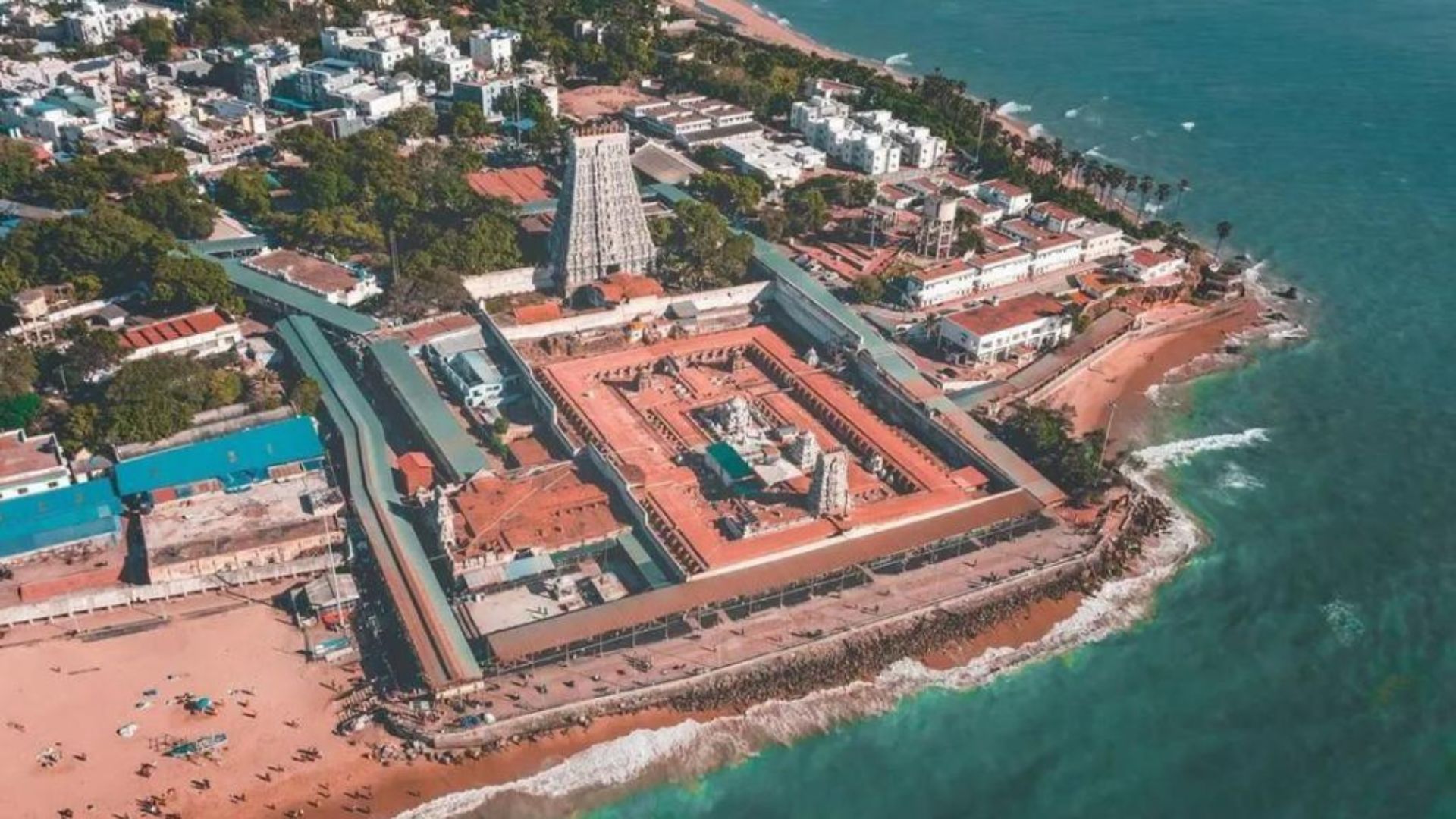
Tiruchendur Murugan Temple
Tiruchendur Murugan Temple Tiruchendur Murugan Temple Tiruchendur Murugan Temple is one of the most sacred temples dedicated to Lord Murugan and is one of the Arupadai Veedu, the six important pilgrimage sites of the deity in Tamil Nadu. The temple is uniquely located along the seashore, making it one of the few temples in India situated near the ocean. According to Hindu tradition, Lord Murugan is believed to have defeated the demon Surapadman at this place, and the temple stands as a symbol of victory of good over evil. The temple attracts thousands of devotees throughout the year, especially during major festivals like Skanda Sashti. Located about 25 km from Thirukolur, Tiruchendur is a popular spiritual destination for pilgrims visiting the Tirunelveli Thoothukudi region. Visitors staying at Ananta Vihara can easily include this famous temple in their pilgrimage while exploring nearby sacred places. Read More Previous PostNext Post All Posts Nava Kailasam Temples Nava Tirupathi Temples Nearby Attractions Temples Stay Near Tiruchendur Murugan Temple | Arulmigu Subramaniya Swamy Temple | Complete Pilgrim Guide BLOGS Stay Near Tiruchendur Murugan Temple | Arulmigu Subramaniya Swamy Temple Complete Pilgrim Guide Temples May 14, 2026 Subramaniya Swamy… Read More Stay Near Arulmigu Kailasanathar Temple, Saendha Poomangalam | Nava Kailayam 9th & Final Temple | Sukran (Venus) Sthalam BLOGS Stay Near Arulmigu Kailasanathar Temple, Saendha Poomangalam | Nava Kailayam 9th & Final Temple — Sukran (Venus) Sthalam Nava… Read More Stay Near Sri Kailasanathar Temple, Rajapathy | Nava Kailayam 8th Temple | Ketu Sthalam BLOGS Stay Near Sri Kailasanathar Temple, Rajapathy | Nava Kailayam 8th Temple | Ketu Sthalam Nava Kailasam Temples May 11,… Read More Stay Near Sri Kailasanathar Temple, Thenthiruperai | Nava Kailayam 7th Temple | Budha (Mercury) Sthalam BLOGS Stay Near Sri Kailasanathar Temple, Thenthiruperai | Nava Kailayam 7th Temple — Budha (Mercury) Sthalam Nava Kailasam Temples May… Read More Stay Near Sri Kailasanathar Temple, Srivaikuntam | Nava Kailayam 6th Temple | Shani (Saturn) Sthalam BLOGS Stay Near Sri Kailasanathar Temple, Srivaikuntam | Nava Kailayam 6th Temple Shani (Saturn) Sthalam Nava Kailasam Temples May 8,… Read More Stay Near Sri Kailasanathar Temple, Murappanadu | Nava Kailayam 5th Temple | Guru (Jupiter) Sthalam BLOGS Stay Near Sri Kailasanathar Temple, Murappanadu | Nava Kailayam 5th Temple — Guru (Jupiter) Sthalam Nava Kailasam Temples May… Read More Stay Near Arulmigu Kotha Parameswarar Temple, Kunnathur | Nava Kailayam 4th Temple | Rahu Sthalam BLOGS Stay Near Sri Kailasanathar Temple, Kodaganallur | Nava Kailayam 3rd Temple — Sevvai (Mars) Sthalam Nava Kailasam Temples May… Read More Stay Near Sri Kailasanathar Temple, Kodaganallur | Nava Kailayam 3rd Temple | Sevvai (Mars) Sthalam BLOGS Stay Near Arulmigu Kotha Parameswarar Temple, Kunnathur | Nava Kailayam 4th Temple — Rahu Sthalam Nava Kailasam Temples May… Read More Stay Close to Vaithamanidhi Perumal Temple, Thirukolur | Ananta Vihara | Just 2 Minutes Away! BLOGS Stay Near Arulmigu Papanasa Nathar Temple, Papanasam | Nava Kailayam 1st Temple — Surya (Sun) Sthalam Nava Kailasam Temples… Read More Load More End of Content.