
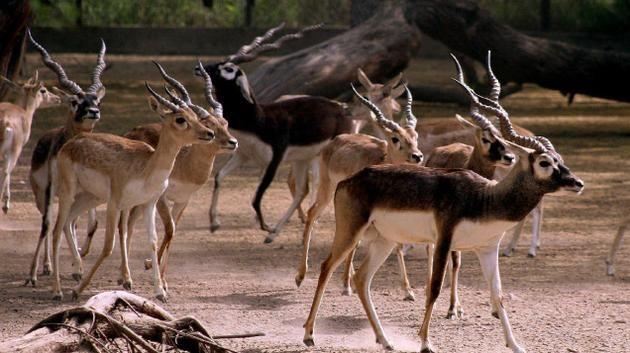
BLOGS Stay Near Vallanadu Wildlife Sanctuary — Blackbuck, Birds & Nature Getaway | Ananta Vihara, Thirukolur Nearby Attractions, Temples May 21, 2026 Vallanadu Wildlife Sanctuary Vallanadu Wildlife Sanctuary is a protected area in the Thoothukudi district of Tamil Nadu, established in 1987 to conserve the endangered blackbuck antelope (Antilope cervicapra) and its scrub forest habitat. Spanning 1,641 hectares on an isolated hillock surrounded by thorn scrub vegetation, it serves as one of the few remaining natural refuges for blackbucks in southern India. Vallanadu is the southernmost place in India where a natural population of Blackbuck exists making this sanctuary a truly unique and extraordinary wildlife destination found nowhere else in South India. Vallanadu Wildlife Sanctuary is located in Vallanadu Village of Srivaikundam Taluk, in the Thoothukudi district of Tamil Nadu situated on an isolated hillock, approximately 16 kilometres from Tirunelveli town. For wildlife lovers and nature enthusiasts visiting this sanctuary, Ananta Vihara in Thirukolur just 20 km away is the most peaceful and perfectly located homestay base in the entire region. History & Establishment Vallanadu Wildlife Sanctuary was officially notified as a protected area on 28th September 1987. One of the key motivations behind its creation was the conservation of the blackbuck antelope an endangered species whose population had drastically declined due to poaching, habitat loss, and rapid agricultural development across Tamil Nadu. The whole plain area of Tamil Nadu used to have large numbers of Blackbucks in the 19th century. Developmental pressures, poaching, and agriculture cornered them to just four places Guindy National Park in Chennai, Mudumalai sanctuary near Masinagudi, Point Calimere sanctuary in Nagapattinam, and Vallanadu in Thoothukudi The Star The Blackbuck (Indian Antelope) Blackbuck (Antelope cervicapra) is the only representative of the antelope family in India. Due to extensive poaching and habitat loss, blackbuck populations have been reduced drastically. At the beginning of the twentieth century, thousands of blackbuck could be seen in several parts of India. As of the 2023–2024 census, the sanctuary supports a thriving blackbuck population of approximately 300 individuals up from 260 the previous year showing encouraging signs of successful conservation. Blackbucks have a regular habit of coming out of the scrubs and grazing in wastelands on the eastern side of the sanctuary. They can be seen best only during early morning and late evening hours at specified vantage points making timing your visit essential for the best wildlife experience Wildlife What You Can Spot Diverse and colourful wildlife exists in the natural surroundings of this sanctuary including Blackbuck, Spotted Deer, Macaques, Jungle Cat, Mongoose, and Wild Hares. Key wildlife includes a thriving blackbuck population alongside around 300 spotted deer, 150 sambar deer, mongooses, black-naped hares, and various reptiles including vipers and rat snakes. Birds A Hidden Birdwatcher’s Paradise Jungle Crow, Crested Hawk Eagle, Sparrows, Stork, Heron, Peafowl, and Horned Owl are some featured creatures one can spot here. In the winter months, birds from northern countries can also be spotted making a visit to this enthralling place even more rewarding The Famous Peacock Farm The place also has various farms amongst which the peacock farm is the most famous amongst tourists. Here one can relish the surreal sight of peacock dancing a truly unforgettable natural spectacle! How to Reach From Distance Mode Tirunelveli ~16 km Bus / Taxi Thoothukudi ~35–40 km Bus / Taxi Srivaikuntam ~8 km Auto / Taxi Ananta Vihara, Thirukolur ~20 km Taxi / Own vehicle Nearest Railway Station: Tirunelveli Junction (~16 km) Nearest Airport: Thoothukudi Airport (~40 km) Bus Route: Buses from Tirunelveli on the Tirunelveli–Thoothukudi highway — alight at Vallanadu stop Route: Tirunelveli → Thoothukudi NH → Vallanadu turnoff (on east side of highway) Best Access: Hire a taxi from Tirunelveli or Srivaikuntam for comfortable flexible access Most Recent Posts All Posts Nava Kailasam Temples Nava Tirupathi Temples Nearby Attractions Temples Stay Near Vallanadu Wildlife Sanctuary | Blackbuck, Birds & Nature Getaway | Ananta Vihara, Thirukolur Stay Near Kazhugumalai | Rock Cut Temples, Jain Heritage & Ancient Wonders | Ananta Vihara, Thirukolur Stay Near Sri Krishnapuram Venkatachalapathy Perumal Temple | Tirunelveli’s Hidden Gem A South Tirupati Explore More Category Nava Kailasam Temples (9) Nava Tirupathi Temples (9) Nearby Attractions (10) Temples (8) Tags Adhinatha Perumal Temple Agasthiyar Falls Agasthiyar Falls Papanasam Agasthyamalai Biosphere Reserve Alwarthirunagari Ananta Vihara Thirukolur Aravindalochanar Temple Arulmigu Subramaniya Swamy Temple Arupadai Veedu 2nd Temple Banatheertham Falls Bhoomipalagar Perumal Budha Sthalam Tirunelveli Budhan Sthalam Chandran Sthalam Chevvai Dosha Parihara Coastal Village Tamil Nadu Dakshina Gangai Devapiran Temple Divya Desam Gothaparameshwarar Temple Guru Sthalam Guru Sthalam Tirunelveli Holy Cross Church Manapad Homestay in Tirunelveli Homestay Near KMTR Homestay Near Krishnapuram Temple Homestay Near Kutralam Homestay Near Manapad Homestay Near Nava Kailayam Homestay Near Nava Tirupati Homestay Near Papanasam Homestay Near Tiruchendur Homestay Near Vaithamanidhi Perumal Temple Irattai Tirupathi Jupiter Temple Tamil Nadu Kaarkodaga Kshetram Kailasanathar Temple Kodaganallur Kailasanathar Temple Murappanadu Kailasanathar Temple Rajapathy Kailasanathar Temple Sernthapoomangalam Kailasanathar Temple Srivaikuntam Kailasanathar Temple Thenthiruperai Kalahasti Equivalent Tamil Nadu Kalakkad Mundanthurai Tiger Reserve Kasinivendan Perumal Keezh Kailayam Final Temple Keezh Kailayam First Temple Ketu Dosha Parihara Ketu Sthalam Ketu Sthalam Tirunelveli KMTR Kotha Parameswarar Temple Kunnathur Krishnapuram Temple Tirunelveli Krishnapuram Venkatachalapathy Temple Kuberasthalam Lord Vishnu Temple Tirunelveli Madhurakavi Alwar Birthplace Makara Nedunkuzhaikathar Temple Manapad Beach Manapad Thoothukudi Manimuthar Dam Manjolai Hills Mars Temple Tamil Nadu Mars Temple Tirunelveli Mayakoothar Perumal Temple Mercury Temple Tamil Nadu Mundanthurai Wildlife Safari Nadu Kailasam Naga Dosha Parihara Nammalvar Birthplace Natham Temple Nature Trek Tamil Nadu Nava Kailayam 3rd Temple Nava Kailayam 4th Temple Nava Kailayam 5th Temple Nava Kailayam 6th Temple Nava Kailayam 7th Temple Nava Kailayam 8th Temple Nava Kailayam 9th Temple Nava Kailayam First Temple Nava Kailayam Stay Nava Kailayam Tirunelveli Nava Tirupati 2nd Temple Nava Tirupati 4th Temple Nava Tirupati 7th Temple Nava Tirupati 8th Temple Nava Tirupati Divya Desam Nava Tirupati First Temple Nava Tirupati Homestay Nava Tirupati Nava Kailayam Srivaikuntam Nava Tirupati Nava Kailayam Thenthiruperai Nava Tirupati Yatra Nayak Architecture Temple Nigaril Mugil Vannan Papanasa Nathar Temple Papanasam Dam Papanasam Temple Papanasam Tirunelveli Papanasanathar Temple Pilgrim Homestay TN Ponnammai Sametha
Stay Near Kazhugumalai | Rock Cut Temples, Jain Heritage & Ancient Wonders | Ananta Vihara, Thirukolur
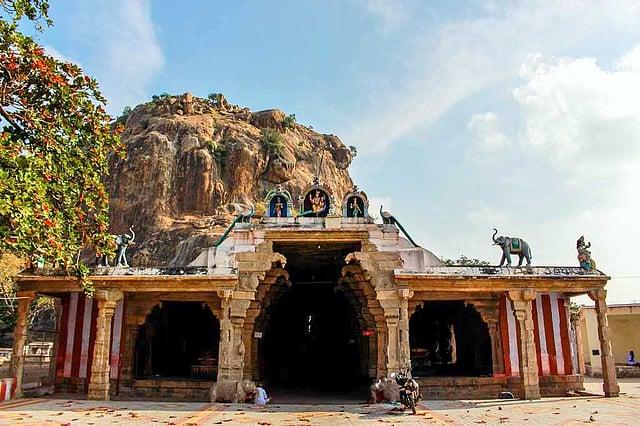
BLOGS Stay Near Kazhugumalai Rock Cut Temples, Jain Heritage & Ancient Wonders | Ananta Vihara, Thirukolur Nearby Attractions, Temples May 20, 2026 Kazhugumalai A tiny tranquil town in the district of Thoothukudi in Tamil Nadu, Kalugumalai also known as Kazhugumalai is famous for its ancient rock-cut temples and monolithic Jain beds. The city got its name from the hills surrounding it, which translates to “Hill of Vultures.” The town is divided into two parts Kazhugumalai and South Kazhugumalai and also served as a trade route during ancient times. Kalugumalai is famous for the rock-cut Kalugasalamoorthy Temple, the monolithic Vettuvan Koil, and the Kalugumalai Jain Beds three extraordinary ancient monuments representing three distinct religious traditions Shaivism, Vaishnavism, and Jainism all coexisting on a single sacred hill. This is one of the most extraordinary heritage destinations in all of South India where 1,200-year-old rock-cut monuments stand as breathtaking testimony to the artistic genius and spiritual depth of the ancient Pandya civilization. For travellers and pilgrims visiting Kazhugumalai, Ananta Vihara in Thirukolur approximately 55 km away is the most comfortable and conveniently located homestay base The Three Wonders of Kazhugumalai The site’s defining features include the unfinished monolithic Vettuvan Koil a cave temple dedicated to Shiva carved from a single granite outcrop the adjacent Jain Abode with bas-relief sculptures of Tirthankaras, and the rock-cut Kalugasalamoorthy Murugan Temple at the foothills. These structures, dating primarily to the 8th and 9th centuries CE during the reign of Pandya rulers like Parantaka Nedunjadaiya, highlight the area’s role as a religious and trade hub along ancient routes near Madurai. 1. Arulmigu Kalugasalamoorthy Murugan Temple Kalugasalamoorthy Temple or Kalugumalai Murugan Temple in Kalugumalai is dedicated to the Hindu god Murugan. Constructed in the Dravidian style of architecture, the core temple has rock-cut architecture exemplary of early Pandyan Art. The main deity hall and entrance hall are excavated inside the foothills of Kalugumalai in the south-western corner of the hill with external structural additions. The Deity Three Rare Distinctions! The sanctum faces West and the image of the presiding deity is 4 ft tall. The image is sported with six hands with one of them holding Vel the divine spear his left leg over the shoulder of the peacock and right is left hanging. There are separate shrines of his consorts Valli facing South and Deivanai facing North. Kachiappar mentions that there are only three sacred temples of Murugan where he faces the South and this is the only temple where he faces south AND is also in a seated posture. Usually in Murugan temples, his vehicle peacock heads towards the right but it is sported to the left of Murugan here. It is believed that Indra, the king of celestial deities, appeared as a peacock to worship Murugan and hence the image of the peacock is covered during festivals. The Legend of Jatayu & Sampati Jatayu’s brother Sampati also called Kalugumahamunivar in local tradition was worried about not having performed the final rites for his brother. Rama advised him to perform penance at Gajamukaparvatham and take a holy dip in the tank. Later, when Murugan was pursuing Surapadman, Tarukasuran the brother of Surapadman was troubling the sages in the region. Murugan slew Tarukasuran and was resting at Kalugumalai. Sampati assisted Murugan and indicated the hideout of Surapadman, whom Murugan slew subsequently. Pleased with his devotion, Murugan offered him salvation. The place came to be known as Kalugumalai since the sage Kalugumahamunivar resided here. 2. Vettuvan Koil “A Sculptor’s Paradise” Situated near the Jain Beds, Vettuvan Koil is a Hindu temple built between the 8th and 9th centuries by Pandyan Maran Chadaiyan Varaguna I. About 7.5 metres of the mountain is excavated in a rectangular fashion, and in the middle, the temple is sculpted from a single piece of rock. The carvings reflect the southern temple style of the Pandiya era. Only the top portion of the temple is completed. At the top, beautiful sculptures of Uma Maheswarar, Dakshinamurthy, Vishnu, and Brahma can be found. This temple looks like the Kailasanatha Temple at Ellora. Kalugumalai is a priceless unfinished Pandyan monolith cave temple part of the iconographic richness that helped chronicle the burgeoning richness of Tamil culture, traditions, and sacred centres containing religious art. The Vettuvan Koil’s design incorporates Dravidian elements such as pillared halls and narrative friezes, showcasing advanced stone-working skills that rival contemporary Pallava influences but adapted to Pandyan aesthetics. Construction ceased prematurely possibly due to historical conflicts or royal shifts toward Shaivism. Fun Fact: Vettuvan Koil means “Temple of the Sculptor” a tribute to the extraordinary craftsmen who carved this entire temple out of a single living rock! 3. Kalugumalai Jain Beds — 150 Sacred Sculptures The Kalugumalai Jain Beds are constructed in rock-cut architecture and are believed to have been built during the reign of Pandyan king Parantaka Nedunjadaiya (768–800 CE). The rock-cut architecture at Kalugumalai is an exemplary specimen of Pandyan art. There are approximately 150 niches in the bed that include images of Gomateshwara, Parshvanatha, and other Tirthankaras of Jainism. There are 98 inscriptions related to Jainism at the Kalugumalai Jain Beds site the largest known concentration of Jain inscriptions in far South India at a single site. These are found below the reliefs of Tirthankaras and yakshis, as well as near the hollowed-out beds. Most are records of donors and gifts. Kalugumalai is an important Jain site because it stands out as an exception where Digambara tradition women rose to prominence over its early history. Historic evidence of major groups of Digambara Jain women mendicants is rare except in Kalugumalai, where the local culture accepted and supported female monastic traditions for a few centuries after around the 9th century. Protected Monument: The Jain Beds are maintained and administered by the Department of Archaeology of the Government of Tamil Nadu as a protected monument. Why Kazhugumalai Is Extraordinary The word Kalugumalai means “Vulture Peak” reminiscent of the legendary site in North India attributed to the Buddha for his sermons. Local traditions connect the

Stay Near Sri Krishnapuram Venkatachalapathy Perumal Temple | Tirunelveli’s Hidden Gem A South Tirupati
BLOGS Sri Krishnapuram Venkatachalapathy Perumal Temple Nearby Attractions, Temples May 19, 2026 Sri Krishnapuram Venkatachalapathy Perumal Temple Krishnapuram Venkatachalapathy Temple is one of the best examples of Nayak architecture in Tamil Nadu, built over an area of 1.8 acres and revered for its 17th and 18th century carvings. Prayers offered here are considered equal to prayers offered in Tirupati. Located 13 km east of Tirunelveli on the Tiruchendur highway, the Krishnapuram Venkatachalapathy Temple is one that has not caught much of devotees’ attention despite boasting one of the best art and sculpture collections that can be seen in any temple in Tamil Nadu. Often called the South Tirupati of the region, this magnificent temple is an under-celebrated treasure of Tirunelveli district where the blessings of Lord Venkatachalapathy (Lord Vishnu) are believed to be as powerful as those at the famous Tirupati Devasthanam in Andhra Pradesh. For pilgrims and travellers visiting this sacred shrine, Ananta Vihara in Thirukolur just ~20 km away is the most comfortable and conveniently located homestay base. The sanctum houses the vigraham of Lord Venkatachalapathy in a standing posture. The four-feet-tall vigraham is made of granite and has four arms the Lord holds a Conch and Chakra in two hands, while the other two have Abayamudra and Kadahasta. The vigrahams of Goddess Sridevi and Goddess Bhudevi are located on either side. There is a separate shrine for Goddess Alarmael Mangai. The temple occupies an area of 1.8 acres and is surrounded by granite walls. The temple originally had three precincts but at present has two. The five-tiered Rajagopuram is 110 ft. tall a magnificent landmark visible from the Tiruchendur highway. The rituals followed here include soothing Vedic chants by the saints four times a day, following the Thenkalai tradition of worship along with other Vaishnavite festivals. There are 42 sculptures in the temple, each just as stunning as the others making it one of the finest sculptural galleries in any Tamil Nadu temple. The Meaning Why “Krishnapuram”? The temple dates back to the 9th Century AD and is said to have been built by Sadasiva Nayakar. Krishna Nayakar is said to have renovated the temple in the 16th century and hence the name “Krishna” puram. The village was originally named Thiruvenkatapuram and got changed to Krishnapuram during the rule of Krishnappa Nayak History Built by the Madurai Nayak Dynasty It is understood from the inscriptions that the temple was built by Krishnappa Nayak (1563–72), the son of Viswanatha Nayak the founder of the Madurai Nayak dynasty. Krishnappa is attributed to the construction of the precincts around the temple and the soaring temple tower. The copper plates from Sadasiva Raya of the Vijayanagara Empire indicate grants to light lamps perpetually and lay gardens. There were six villages dedicated to allow the continuous functioning of the temple. Krishnappa Nayak also laid four streets around the temple for the smooth passing of the temple car. The villages Ariyakulam, Kodikulam, Kuthukaval, Puthaneri, Pottukalam, Sriramakulam, and Alikudi were donated to the temple for the performance of daily poojas. An Agraharam with housing for 108 Brahmin families well-versed in Vedas and agamas was established. Deivachillayar Mayilerum Perumal the son-in-law of the minister of Viswanatha, played a key role in the construction of the temple. The village was originally administered as a sub-temple of Ramaswamy Temple of Tirunelveli, came under the administration of Nellaippar Temple from 1973, and under the dominion of Tiruchendur Devastanam from 1986. The Legend — Lord Srinivasa Chose to Stay Here Lord Srinivasa appeared and agreed to stay here with Sridevi and Bhoodevi forever. Twelve Rishis and poets known as Azhwars wanted to be here always at the feet of the Lord the twelve steps leading to the Sanctum of the Lord are represented by them. Prayers offered here are considered equal to prayers offered at Tirupati. This profound legend makes Krishnapuram one of those rare temples where Lord Vishnu himself chose to permanently reside — making every darshan here extraordinarily powerful and meritorious! The Unique 42 Sculptures — A Gallery of Nayak Mastery Constructed in the Dravidian style of architecture, the temple is a storehouse of Nayak architecture. A granite wall surrounds the temple, enclosing all its shrines. The temple has a five-tiered Rajagopuram the temple’s gateway tower. The Vijayanagar and Nayak kings commissioned pillared halls and major shrines of the temple during the 16th century. The temple is one of the best examples of Nayak architecture and is revered for its 17th and 18th century carvings a sculptural heritage that rivals even the famous temples of Madurai and Thanjavur. Major Festivals The most important festival is the 10-day annual Vaikuntha Ekadashi celebrated in December–January. On this sacred day, the Vaikunta Dwaram the gate to the Lord’s inner sanctum is opened, and devotees believe that passing through it grants them entry into Vaikuntam Lord Vishnu’s divine abode. Other key festivals: Vaikuntha Ekadashi — December–January (10 days — most grand) Brahmotsavam — Tamil month Chittirai (April–May) Sri Rama Navami — March–April Panguni Uthiram — March–April (Thirukalyanam) Aadi Pooram — July–August Temple Car Festival — grand chariot procession through four streets How to Reach From Distance Mode Tirunelveli ~13 km Bus / Taxi Thoothukudi ~45 km Bus / Taxi Tiruchendur ~45 km Bus / Taxi Srivaikuntam ~20 km Taxi Ananta Vihara, Thirukolur ~20 km Taxi / Own vehicle Nearest Railway Station: Seydunganallur (~5 km) | Tirunelveli Junction (~13 km) Bus Route: All buses from Tirunelveli to Tiruchendur on the highway stop at Krishnapuram Best Time to Visit: November – February | Vaikuntha Ekadashi (December–January) Most Recent Posts All Posts Nava Kailasam Temples Nava Tirupathi Temples Nearby Attractions Temples Stay Near Papanasam | Nature, Temples & Peaceful Getaway | Ananta Vihara, Thirukolur Kalakkad Mundanthurai Tiger Reserve (KMTR) Complete Travel Guide | Stay Near Ananta Vihara Manapad |The Hidden Coastal Gem Near Tiruchendur | Travel Guide & Homestay Explore More Category Nava Kailasam Temples (9) Nava Tirupathi Temples (9) Nearby Attractions (7) Temples (5) Tags Adhinatha Perumal Temple Agasthiyar Falls Agasthiyar Falls Papanasam Agasthyamalai Biosphere Reserve Alwarthirunagari
Kalakkad Mundanthurai Tiger Reserve (KMTR) Complete Travel Guide | Stay Near Ananta Vihara
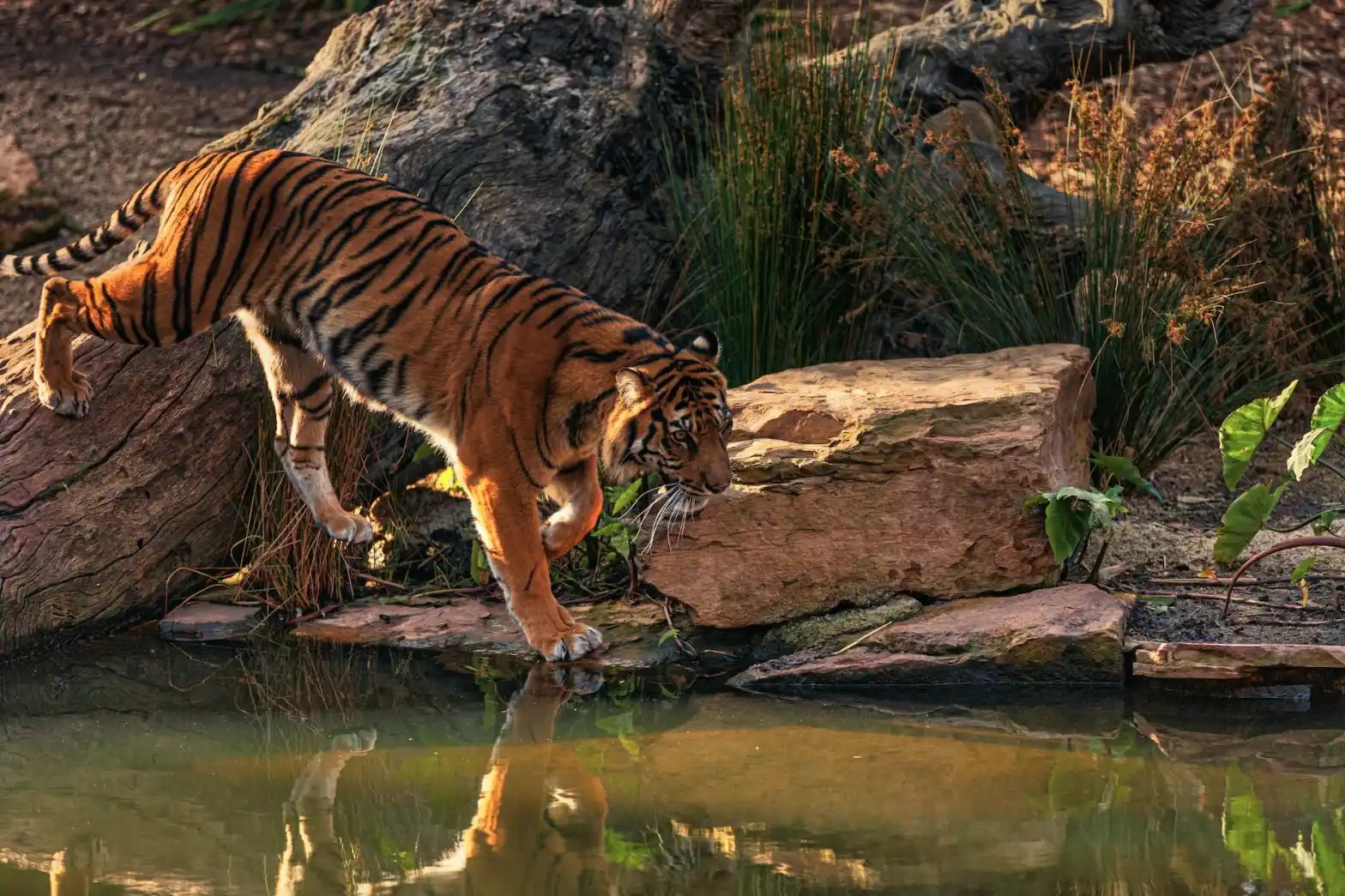
BLOGS Kalakkad Mundanthurai Tiger Reserve (KMTR) — Complete Travel Guide | Stay Near Ananta Vihara Nearby Attractions May 16, 2026 Kalakkad Mundanthurai Tiger Reserve (KMTR) Popularly known as KMTR, this reserve was created in 1988 by combining the existing and contiguous Kalakkad and Mundanthurai wildlife sanctuaries. Kalakkad-Mundanthurai was declared the first tiger reserve in Tamil Nadu. The second largest wildlife sanctuary in Tamil Nadu, the Kalakkad Mundanthurai Tiger Reserve is spread across a whopping area of 895 sq. km a tropical wet evergreen forest nestled in the serene shades of the majestic Western Ghats, situated in the Tirunelveli district of Tamil Nadu. KMTR forms part of the inter-state Agasthyamalai Biosphere Reserve straddling Kerala and Tamil Nadu. This part of the Agasthyamalai hills in the core of KMTR is considered one of the five centres of biodiversity and endemism in India by the International Union for Conservation of Nature (IUCN). The Western Ghats, Agasthyamalai Sub-Cluster, including all of Kalakkad Mundanthurai Tiger Reserve, is under consideration by the UNESCO World Heritage Committee for selection. For nature lovers and wildlife enthusiasts visiting KMTR, Ananta Vihara in Thirukolur is the most comfortable and conveniently located homestay perfectly positioned between the Tiger Reserve and the Nava Tirupati circuit. History of KMTR The Kalakkad Mundanthurai Tiger Reserve was created in 1988 by combining Kalakad Wildlife Sanctuary (251 km²) and Mundanthurai Wildlife Sanctuary (567 km²), both established in 1962. Astroved In 1988, both sanctuaries were merged to form KMTR under the Project Tiger initiative. This merger aimed to provide greater protection for the Bengal Tiger and preserve the Western Ghats’ biodiversity. Focus areas included habitat protection, anti-poaching measures, and tiger conservation. Human settlements in core areas were relocated to ensure better protection for wildlife. The Sacred Rivers of KMTR Among the rivers and streams, the Ganga, Thamirabarani, Ramanadi, Karayar, Servalar, Manimuthar, Pachayar, Kodaiyar, Gadananathi River, and Kallar form the backbone of the irrigation network and drinking water for the people of Tirunelveli, Thoothukudi, and part of Kanyakumari District. Seven major dams Karaiyar, Lower Dam, Servalar, Manimuthar, Ramanadi, Gadananathi River and Kodaiyar owe their existence to these rivers. The topography of Kalakkad is rugged with numerous perennial hill streams originating from the rainforest areas on the upper slopes. They confluence to form the rivers of Thamirabarani, Manimuthar, and Ramanadhi. There are dams built across the Thamirabarani River and its tributaries which lie inside the Tiger Reserve namely Papanasam Dam, Manimuthar Dam, and Servalar Dam. Wildlife What You Can Spot KMTR has at least 150 endemic plants, 33 fish, 37 amphibians, 81 reptiles, 273 birds, and 77 mammal species. As per the 2018 census, the tiger population is 16 to 18. Big Cats & Large Mammals The animals you could come across in this region include the Tiger, Leopard, Sambar, Indian Pangolin, Sloth Bear, Mouse Deer, Flying Lizard and so on, apart from reptiles such as King Cobra, Python, Pit Viper and Monitor Lizard. Full Wildlife List Category Species Big Cats Tiger, Leopard, Dhole (Wild Dog) Large Mammals Elephant, Gaur (Indian Bison), Sloth Bear, Nilgiri Tahr Deer Sambar, Chital, Barking Deer, Mouse Deer, Four-Horned Antelope Primates Nilgiri Langur, Bonnet Macaque, Common Langur Reptiles King Cobra, Python, Pit Viper, Monitor Lizard, Crocodile Others Giant Flying Squirrel, Porcupine, Otter, Jackal, Hyena, Wild Boar Birds A Birdwatcher’s Paradise KMTR is a birdwatcher’s paradise, home to species like the Great Indian Hornbill, Malabar Grey Hornbill, Ceylon Frogmouth, Oriental Bay Owl, and many others. Sunbirds, paradise flycatchers, black-rumped flameback woodpeckers, and white-cheeked barbets flitter and flutter from branch to branch giving visitors glimpses of green, cheery reds, whites, yellows, and purples across the forest canopy. Rare Endemic Species Endemic to the Western Ghats, the Kakachi shrub frog, Bob Inger’s bush frog, Kalakad gliding frog, and Gunther’s bush frog find exclusive refuge in KMTR species found nowhere else in the entire world. The Forest Experience What Visitors Say The forests of KMTR are teeming with life, although most of it remains hidden from view. We enter KMTR from Manimuthar town near the towering Manimuthar Dam immediately the anticipation of reuniting with wildlife sends a thrill through the body. As we climb higher up the mountain, the temperature drops. The forest is ever-changing from scrublands and towering rocky outcrops, we plunge into moist deciduous forest with chirping birds and sweet-smelling flowers. The real magic of KMTR lies beyond the Mundanthurai Plateau, in the biodiverse evergreen forest locations higher in the mountains in the primary forests around Kodamadi, Kannikatti Sengaltheri and Kuduraivetti, located in ascending order of elevation. Things to Do at KMTR Jeep Safari Early morning jeep safari is the best way to spot wildlife followed by trekking or birdwatching in the afternoon, and an optional evening safari or scenic walk. Nature Trails & Trekking There are 24 identified nature trails spread over the reserve giving a thrilling experience to trekkers of all levels. Night Safari Visitors can also go for a night safari with prior permission from the forest officials a truly extraordinary wildlife experience under the stars of the Western Ghats. Boating at Papanasam Dam Boating facilities are available at Papanasam Dam but swimming is strictly prohibited as it is populated with crocodiles. Sacred Waterfalls Major waterfalls inside the Reserve are Agasthiyar Falls, Banatheertham Falls, and Manimuthar Falls each a spectacular natural attraction in their own right. Entry Fee & Activity Charges Activity Fee Entry — Adult ₹20 per person Entry — Child ₹15 per person Nature Trail (6–10 persons) ₹2,000 Thalayanai Visit ₹500 Timings & Best Season Open Hours: 6:00 AM – 6:00 PM open all days throughout the year. Best Season: September to January the most ideal time for wildlife spotting. Season Experience September – January Best wildlife spotting — cool & lush October – March Pleasant weather — ideal for trekking June – September Monsoon — forest at its most lush & green March – May Hot — fewer crowds, good for birdwatching Climate The climate is tropical with variations depending on elevation. Summers (March–May) are hot with temperatures ranging
Manapad |The Hidden Coastal Gem Near Tiruchendur | Travel Guide & Homestay
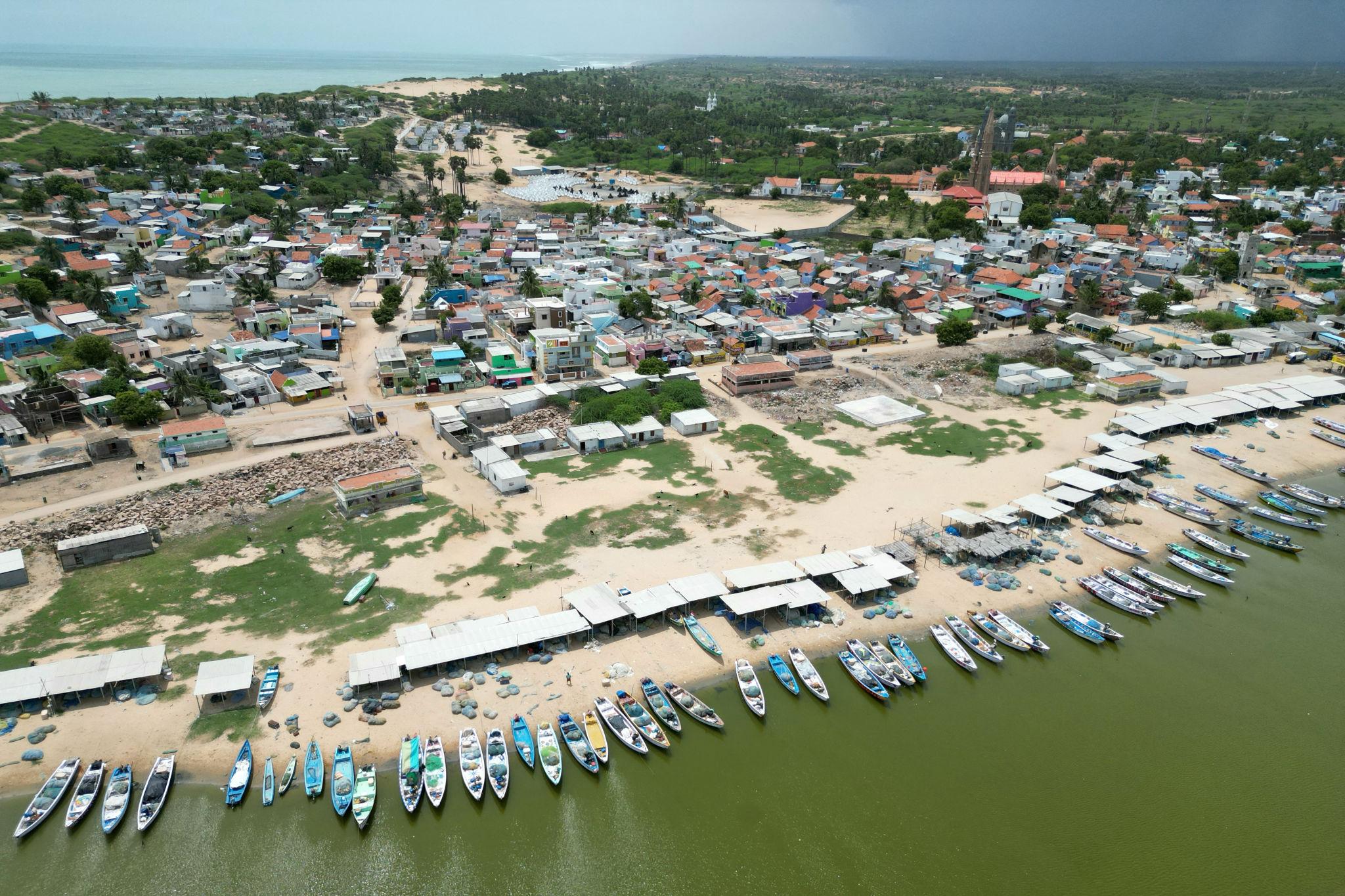
BLOGS Manapad — The Hidden Coastal Gem Near Tiruchendur | Travel Guide & Homestay Nearby Attractions May 15, 2026 Manapad Beach Manapad is a coastal village in the Thoothukudi district of Tamil Nadu, renowned for its stunning beaches, Portuguese influence, medieval European architecture, and most importantly, its significant Christian pilgrimage sites. Manapad is a historic beach close to Thoothukudi. The natural beauty is a magnet for movie makers, making this a popular site for filming. It has picturesque views of the fishing village and a collection of ancient and beautiful churches. The Manapad Beach and Church are located 18 km from Tiruchendur and 70 km from Kanyakumari making Manapad the perfect add-on destination for pilgrims visiting Tiruchendur Murugan Temple. For visitors planning to explore this beautiful coastline, Ananta Vihara in Thirukolur is the most comfortable and conveniently located homestay base just ~65 km away. The Sacred Holy Cross Church Built in 1581 Manapad is known for its serene beach and the iconic Holy Cross Church built in 1581. The church houses a relic of the Holy Cross, making it a significant pilgrimage site for Christians. This coastal landscape is dotted with many churches many of them built during the late 1500s onwards. What is even more significant is that some of these churches have very important holy relics, including a sliver of the True Cross. The Church of the Cross was built by shipwrecked Portuguese sailors in the early 1500s. According to tradition, Portuguese sailors caught in a terrible storm at sea prayed to the Holy Cross and survived and in gratitude, built this magnificent church on the shores of Manapad where they landed safely. The fragment of the True Cross preserved here is venerated by pilgrims from across India and the world. St. Francis Xavier The Apostle of Manapad St. Francis Xavier, during his missionary journeys in the 16th century, visited and blessed this site. The Church of Our Lady of Snows, a landmark in Manapad, hosts a grand annual festival that draws devotees from across the region and beyond. St. Francis Xavier one of the founding members of the Jesuit order and the Patron Saint of India is deeply connected to Manapad. His visits to this coastal village in the 1540s left an enduring spiritual legacy that draws Catholic pilgrims from across Tamil Nadu, India, and internationally every year. The Legend of Our Lady of Sand Manal Madha One of the most shocking legends associated with Manapad’s churches is that of Our Lady of Sand called Manal Madha here. A devotee of Mother Mary was wrongly accused of a crime. She invoked a curse upon the village, and a massive sand storm swept through the land and buried the entire village. The buried village and its legacy remain a profound reminder of divine justice and today, Manal Madha is one of the most revered shrines in Manapad, where thousands pray for justice, protection, and Mary’s intercession. Manapad Beach — A Crescent of Serenity The crescent-shaped beach is peaceful, offering excellent views, and is ideal for meditation, long walks, and photography. Manapad is also a popular location for movies and Christian processions during September’s Feast of the Cross. The beach features a clean and calm stretch with shallow water, which is safe for kids to play. Beautiful scenery with picturesque views of the fishing village make it one of the most photogenic coastlines in Thoothukudi district. Visitor Note: Swimming is risky due to high waves and rocks in some areas visitors are advised to enjoy the beach for walking, photography, and relaxation rather than swimming. No food outlets are available at the beach bring your own food and water. What to See at Manapad Holy Cross Church (1581) The crown jewel of Manapad built by Portuguese sailors, housing a relic of the True Cross. A must-visit for all pilgrims and history lovers. Church of Our Lady of Snows A stunning example of colonial architecture, reflecting the influences of Portuguese and European powers one of the most beautiful churches on the Tamil Nadu coastline. Manal Madha Shrine (Our Lady of Sand) The legendary shrine where a buried village tells its sacred story a deeply moving pilgrimage stop. Manapad Crescent Beach A favourite for its calm waters and laid-back atmosphere perfect for a relaxing day, sunrise photography, and long peaceful walks. Traditional Fishing Village Watch local fishermen at work Manapad’s authentic fishing community and colourful boats make for an unforgettable cultural experience and stunning photography. The Annual Feast of the Holy Cross The annual feast of the Holy Cross is celebrated in September usually around September 14th with grand Christian processions, special masses, and thousands of pilgrims gathering from across Tamil Nadu and South India. This is the most spectacular time to visit Manapad the entire village transforms into a sea of devotion, colour, and celebration that is deeply moving for all visitors regardless of faith. Best Time to Visit SeasonWhy Visit October – March : Best weather — cool, breezy, ideal for beach & sightseeing September 14th :Feast of the Holy Cross — Grand annual celebration December – January :Christmas & New Year — Churches beautifully decorated Early Morning :Sunrise at Manapad Beach — breathtaking golden views How to Reach From Distance Route Tirunelveli ~65 km Bus / Taxi Thoothukudi ~50 km Bus / Taxi Tiruchendur ~18 km Bus / Taxi Nearest Town: Tiruchendur (~18 km) — buses & autos available Bus Route: From Tiruchendur, frequent local buses to Manapad are available Best Access: Hire a taxi from Tiruchendur or Thoothukudi for comfortable access Most Recent Posts All Posts Nava Kailasam Temples Nava Tirupathi Temples Nearby Attractions Temples Stay Near Tiruchendur Murugan Temple | Arulmigu Subramaniya Swamy Temple | Complete Pilgrim Guide Stay Near Arulmigu Kailasanathar Temple, Saendha Poomangalam | Nava Kailayam 9th & Final Temple | Sukran (Venus) Sthalam Stay Near Sri Kailasanathar Temple, Rajapathy | Nava Kailayam 8th Temple | Ketu Sthalam Explore More Category Nava Kailasam Temples (9) Nava Tirupathi Temples (9) Nearby Attractions (4) Temples (4) Tags Adhinatha